


The State of Teams 2026

How top teams avoid the AI fragmentation tax
Companies have invested billions in AI to help employees move faster. But coordination hasn’t kept up, resulting in a fragmentation tax that costs the Fortune 500 $161B each year. See how the top 14% of teams use AI differently to deliver results faster, together.
Most AI strategies overlook teams
80% of work occurs at the team level, but many leaders are still focused on individual productivity and efficiency instead of real AI transformation.
- 89% of executives say AI increases speed, but only 6% of executives are sure they have clear examples of organization-wide AI ROI
- Just 24% of leaders focus on using AI to improve teamwork

“Right now, AI allows people to work faster and more efficiently. But we’re not on the ROI curve where we can get broader value.”
VP Marketing
Fortune 500 healthcare company
AI imposes a fragmentation tax on teams
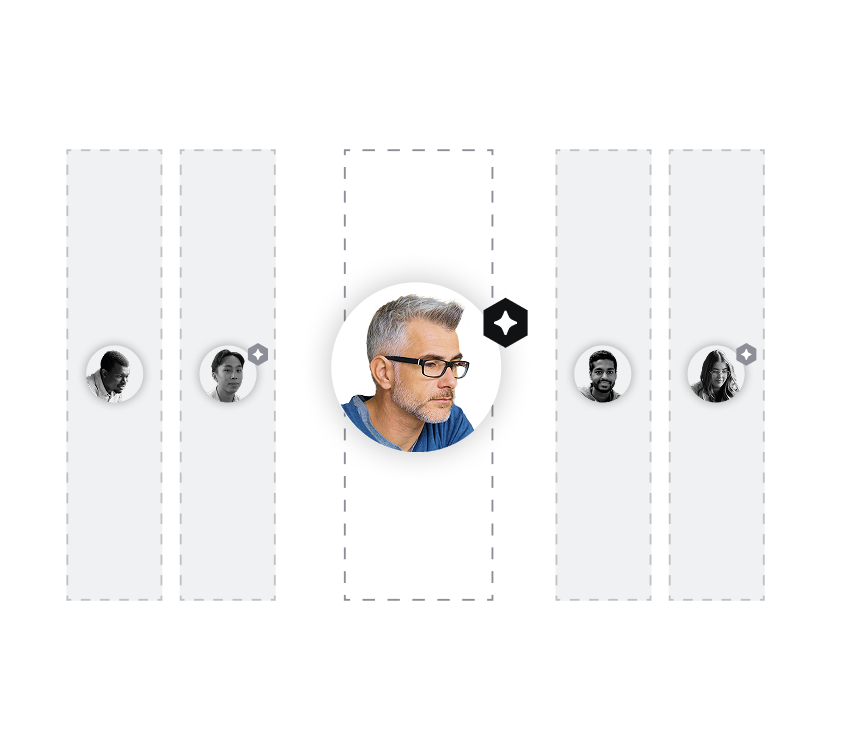
As individuals use AI to move faster, team coordination can become much harder. Reviews, sign‑offs, and alignment decisions can’t keep up with the flood of new work.
- 87% of knowledge workers say with everyone in execution mode, they lack the time or capacity to coordinate
- 85% of knowledge workers use AI at work, but only 29% of have embedded it in their flows of work
AI imposes a fragmentation tax on teams
As individuals use AI to move faster, team coordination can become much harder. Reviews, sign‑offs, and alignment decisions can’t keep up with the flood of new work.
- 87% of knowledge workers say with everyone in execution mode, they lack the time or capacity to coordinate
- 85% of knowledge workers use AI at work, but only 29% of have embedded it in their flows of work.
“Just because a developer gets 20% productivity improvement from AI doesn’t mean the entire cycle gets 20% gains.”
Chief Technology Officer
Fortune 500 travel company
The tax will grow under the AI status quo
As AI capability gaps widen and org charts evolve, AI strategies that don’t prioritize coordination will create more embedded problems.
- 55% of executives say AI is widening performance and opportunity gaps between teams
- 70% of executives think AI will create more collaborative roles and 77% expect it to create more horizontal teams with fewer layers
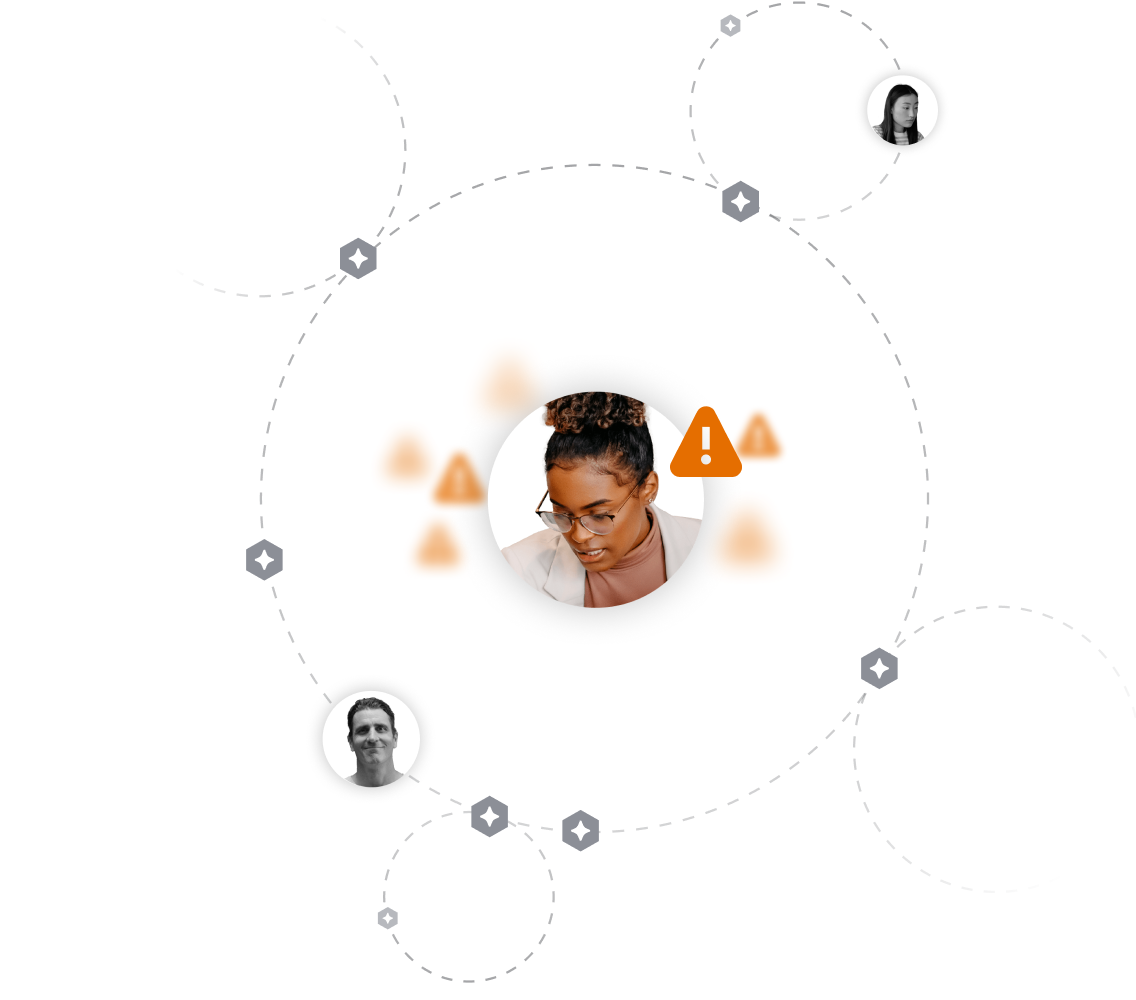
“If one part of the team isn’t AI-augmented, you won’t achieve the shared outcomes while others race toward their individual goals.”
Vice President of Digital Technology
Fortune 500 healthcare company

Top organizations make AI work for teams
14% of teams have cracked the AI ROI code with new ways of working grounded in context, workflows, and culture.
These teams are up to:
- 5.6x more likely to say AI helps them better plan and prioritize work
- 9.4x more likely to say AI increases collaboration
- 2.3x more likely to fully trust AI to surface and contextualize relevant information
Top organizations make AI work for teams
14% of teams have cracked the AI ROI code with new ways of working grounded in context, workflows, and culture. These teams are up to:
- 5.6x more likely to say AI helps them better plan and prioritize work
- 9.4x more likely to say AI increases collaboration
- 2.3x more likely to fully trust AI to surface and contextualize relevant information


Methodology
This report is based on research conducted by Atlassian’s Teamwork Lab, a group of scientists dedicated to developing best practices for modern teams. Their findings guide the design of Atlassian’s products and practices.
Double-blind survey data was collected in January and February 2026 from 12,035 global knowledge workers and 173 Fortune 1000 executives. Qualitative interviews were conducted among 25 Fortune 500 executives. See the report for more methodology and sample details.
Subscribe for more