Program vs. project manager: The differences in roles

Visualize projects from start to finish with the project timeline template
Timely project completion is achievable. Use this template to organize tasks, visualize workflows, and enhance collaboration.
Key Takeaways
Product managers focus on defining what to build and why, while program managers oversee multiple projects to align with strategic goals.
Project management focuses on delivering individual projects, while program management coordinates multiple related projects to support larger business goals.
Both program and project manager roles require communication, planning, and Agile skills—but differ in scope and objectives.
Assess your organization’s needs to determine whether a program manager, project manager, or both are required.
Program manager and project manager roles may sound similar, but they are two distinct positions in Agile methodology. In the context of agile project management, program managers ensure the work of Agile teams aligns with the company’s long-term strategy.
They consider the big picture, supporting an overall company initiative. Project managers are frontline workers who lead a team through deadlines and deliverables. They focus on the day-to-day activities that contribute to these larger objectives.
This article outlines the difference between program manager vs. project manager roles, including their responsibilities and functions in a company.
What's the difference between program and project managers?
A project manager is responsible for leading individual projects to completion, focusing on specific goals, timelines, and deliverables. In contrast, a program manager oversees multiple related projects, aligning them with broader business objectives and strategy.
Program managers usually have more experience under their belt, combining project management know-how with big-picture thinking and strong leadership skills.

How are program management and project management different?
The difference between program management and project management is mainly in scope and focus.
Project management leads a single project to meet specific goals, deadlines, and budgets.
Program management oversees a group of related projects to ensure they align with broader business objectives.
While project management focuses on handling day-to-day tasks and deliverables, program management is responsible for looking at the bigger picture by coordinating efforts and managing resources across projects.
Essentially, project management drives individual projects, while program management guides the overall strategy.
What does a program manager do?
Program managers are responsible for a group of projects, which are collectively known as a program. The role is similar to that of a product manager who is in charge of identifying customer and business needs.
Project managers work with program managers to develop a project plan for their team. They coordinate with the C-suite on the company’s goals and business objectives and act as strategic advisors and formulate new tactics.
Alignment between strategic objectives, the program, and individual teams is critical for program managers. They also oversee program execution to ensure cross-collaboration between projects and teams.
Program managers organize and coordinate related projects, set strategies, and often oversee project managers’ performance. They’re responsible for managing deadlines, budgets, risks, and resources.
This role often uses portfolio or project management software with in-depth dashboards and collaboration features to keep everything on track.
What does a project manager do?
A project manager oversees a team that performs activities relating to a project in the program. They own a project and are responsible for its execution from start to finish.
Project management involves overseeing and leading short-term projects with a definitive project timeline and end date. For example, project managers create the cross-functional workflow for a project and team.
They focus on daily operations, such as priorities, tasks, milestones, and deliverables. The role requires hitting deadlines, while they're less involved in the overall organizational picture.
For instance, project managers get involved in small-scale projects, such as implementing a new feature request. They set the project scope and allocate resources to meet project goals. Project managers can work as a Scrum master if the company uses the Scrum framework.

Project vs. program manager skills
Project manager and program manager skills tend to overlap. They both need to be clear communicators, process-oriented, tactical and strategic thinkers, and familiar with Agile methodologies.
Each role must also be metrics-oriented and able to analyze data and adjust projects and timelines based on the analysis results. In addition to these shared skills, a program manager must think more broadly than a project manager.
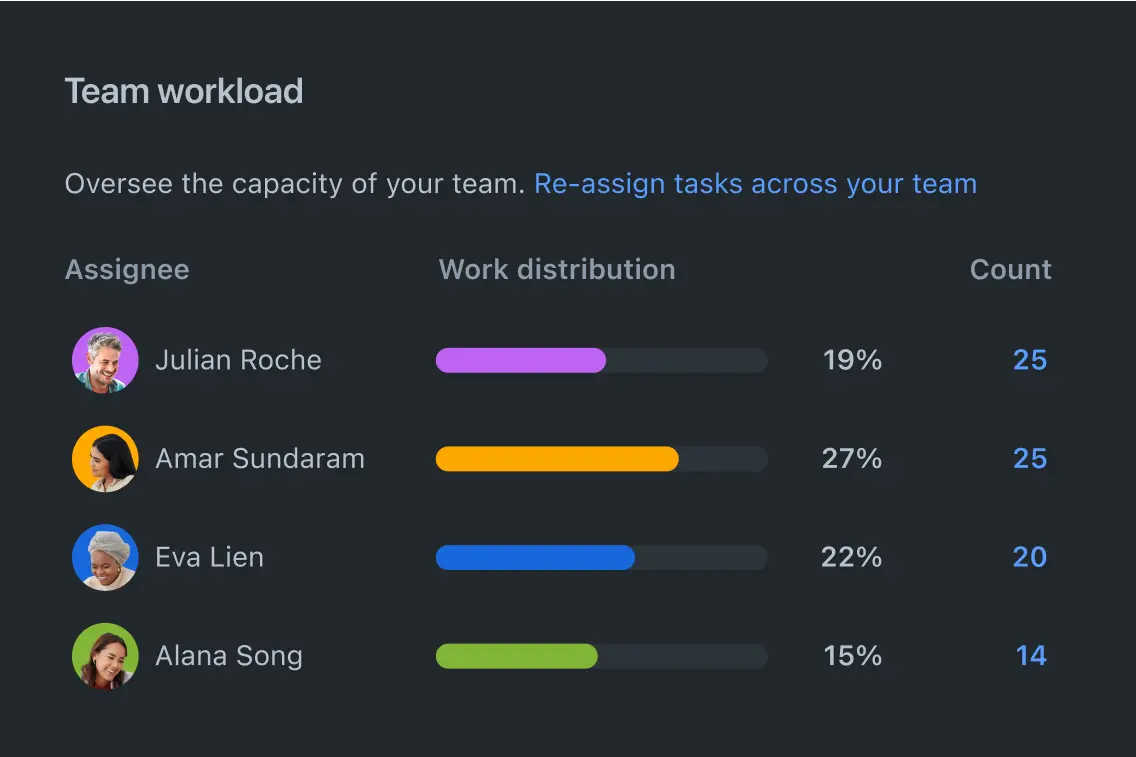
Program managers need to focus on the macro-level aspects of several projects and decisions, as well as how interrelated projects contribute to company goals. Project manager skills revolve around organization while having excellent deadline management, budget control, and insight into team workload.
Project vs. program manager goals
A program manager’s goals are more strategic and seek to align program objectives with the company’s mission. They focus on how program objectives provide value to the company and its stakeholders.
Project managers consider the day-to-day details of a project to ensure the team meets the project objectives. They concentrate on milestones, deliverables, and resource management to efficiently run projects that deliver value to customers.
Project managers focus on meeting deadlines, while program managers are responsible for how each project contributes to the wider organizational picture.
What tools do program and project managers use
Both professionals must be proficient in project and program management software to accurately allocate resources, track progress, and measure success. They must also be familiar with content management systems and using tools such as a RACI chart, which delineates roles among team members on a given project.
One useful tool in their toolbox is user stories, which allows program managers to center business objectives with user needs. Since program managers have a broader focus than project managers, they should also be familiar with work management solutions.
These tools help program managers seamlessly manage multiple projects.
How do program managers and project managers collaborate?
Program managers and project managers should be close collaborators. They rely on each other to accomplish program goals and objectives.
In a traditional hierarchy, a project manager reports to a program manager. That’s because a project manager is working on one piece of the program, which the program manager is primarily responsible for.
However, in more flat structures, they work as partners to figure out how best to break a program down into smaller, inter-connected projects. This requires knowledge base software like Confluence to keep teams in check.

Both roles often rely on Confluence to keep communication, documentation, and all types of workflows in one centralized space. Connecting Confluence to Jira for your project management tools is the one-two punch of successful team collaboration.
Give program and project managers everything they need to succeed
Your team—no matter the role—needs the right tools and workflows in place to do their best job. That's why so many program and project managers rely on Jira as a unified platform for planning, tracking, and collaboration.
With real-time dashboards, resource allocation tools, and seamless communication features, Jira helps program managers oversee multiple projects and align them with business goals. Project managers can easily monitor progress, coordinate across teams, and address bottlenecks.
By bringing technical and non-technical teams together in one tool, Jira ensures everyone stays aligned and focused on delivering successful outcomes. Give your managers the tools they need to drive results by getting start with Jira for free today!
Program manager vs. project manager: frequently asked questions
Can program managers become project managers?
Yes, many program managers start as project managers. However, to progress to the new role, a project manager must be willing to learn new skills and undertake additional job training, including certification programs.
As a project manager, you’ll want to get more involved in large-scale projects. That way, you gain the tools to lead multiple projects at once.
Are program managers considered more senior than project managers?
The seniority of these roles depends entirely on the company’s hierarchical structure. In a more traditional hierarchy, a project manager often reports to a program manager who, in turn, reports to the C-Suite, VPs, or the company president.
However, in flatter hierarchies, program and project managers are close partners, collaborating to meet company objectives.
How do I know if I need a program manager or project manager for my team?
Both roles add value: a project manager drives individual projects to completion, while a program manager sets strategy and oversees multiple related projects.
If you need someone to align work with company goals, choose a program manager. For focused project delivery, hire a project manager.
Understand that many teams benefit from having both to accomplish an entire program’s group of tasks.
Recommended for you
Ready-made Jira templates
Browse our library of custom Jira templates for various teams, departments, and workflows.
A comprehensive introduction to Jira
Use this step-by-step guide to discover essential features and the best practices to maximize your productivity.
Understanding the Basics of Git
From beginners to advanced experts, use this guide to Git to learn the basics with helpful tutorials and tips.